
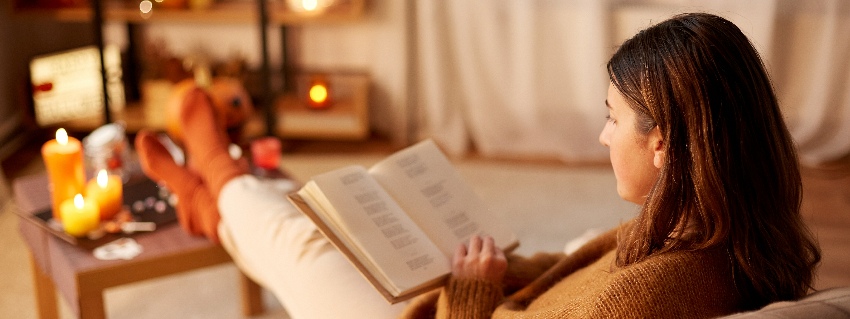
Why small pauses matter more than you think.
Here’s an uncomfortable truth: the day when everything is finished is never coming.
So when, exactly, were you planning to rest?
The finish line that keeps moving
“I’ll rest when everything is finished.”
It sounds sensible. Responsible, even. But the emails, the washing and the to-do list have a way of refilling themselves. The moment we’re waiting for rarely arrives, and rest keeps slipping to the bottom of the pile.
Meanwhile, the season is changing. The evenings are drawing in, the blankets are coming out, and many of us feel a natural pull to slow down. As I’ve been saying to clients lately, “Everybody is feeling tired and their bodies are asking them to slow down.”
That tiredness isn’t laziness. It isn’t a lack of motivation. It’s information.
And if your body is asking for something deeper right now, I’ll share an invitation at the end of this post.
What the research says about small pauses
The good news? Rest doesn’t have to mean a whole afternoon off.
A 2022 review brought together 22 studies on “micro-breaks”: pauses of ten minutes or less. Overall, these short breaks were linked with less fatigue and more energy. The researchers also noted that recovering from very demanding tasks may need longer, which is worth remembering too.

Where we look matters as well. In a University of Melbourne study, people who spent just 40 seconds looking at a scene with greenery made fewer attention slips on a tiring task than those who looked at a concrete rooftop.
Forty seconds. Imagine what five minutes could do.
Why scrolling usually isn’t resting
Sitting down isn’t always the same as resting. When we pick up our phones, our minds keep processing: headlines, messages, other people’s lives. The body is still, but the input keeps coming.
True rest tends to feel different. Quieter. Softer. Less to take in.
The five-minute rest
This is one of the simplest practices I share:
Make a cup of tea. Find a window. Look out at the sky, the trees, the birds or the rain. Let your breathing slow. That’s it.
“Even if it’s five minutes quality rest with a cup of tea, looking at things out the window can be a huge restorative thing to do.”
You can make it easier by creating little cues for rest around your home:

- A soft blanket kept on your favourite chair
- A candle you light only when you pause
- Lamps instead of bright overhead lights in the evening
- A mug saved just for these moments
A kinder question to ask yourself
Instead of asking, “Have I done enough today?”
Try asking: “What would feel nourishing now?”
Sometimes the answer will be a walk. Sometimes an early night. And sometimes, simply five minutes and a cup of tea.
Rest isn’t a reward for finishing everything. It’s part of how we keep going.
When five minutes isn’t quite enough
Sometimes the body is asking for a fuller pause. A sound bath offers exactly that: a chance to lie down, get cosy under a blanket and simply receive.
To explore my sound bath dates and venues click the link below.
If you would prefer a more immersive and personal sound bath, my one-to-one sessions would be perfect for you – why not get in touch with me for a discovery call today.
Thank you for reading. If this resonated, please share it with someone who needs permission to pause. Next week, I’ll be exploring a question close to my heart: what if you don’t need to become more outgoing?
With warmth, Maria
Research sources: Albulescu et al. (2022), “Give me a break!” meta-analysis on micro-breaks, PLOS ONE (link); Lee et al. (2015), “40-second green roof views sustain attention”, Journal of Environmental Psychology (link).

